
Summary
Midcentury modern is the cleanest match for a midcentury home. It respects the original shape and mood. The style works because it leans on clean lines, organic forms, and practical furniture. Warm neutrals, textured finishes, and iconic pieces still feel current in 2024 and 2025 design reports. You can also blend in Japandi or warm modern, as long as the home keeps its structure. The main move is this: let the architecture lead, then style lightly.
Introduction
According to Architectural Digest’s 2024 designer survey, midcentury modernism still earned more than 30% of votes, while classics like Eames chairs stayed firmly on the radar. That is a pretty loud hint that the style still has serious staying power.
And honestly, it makes sense. Midcentury homes already have a strong personality. They usually do not need a full makeover. They need the right styling choices, so the house feels fresh without losing its soul.
This guide breaks that down properly. You will see the best style match, the colours and materials that work, the styles that can blend in, and the mistakes that can quietly ruin the vibe. If you are searching for a top interior designer in Pune or the best interior designer in Bangalore, this will also help you brief the job better.
Which design style is the best fit for a midcentury home?
The best fit is midcentury modern. No surprise there. It is the style that grew out of the same design language as the home itself, so everything feels naturally in sync. Britannica describes midcentury design as having clean lines, organic shapes, and functionality. That is basically the DNA you want to keep.
A midcentury home usually looks best when the styling stays simple, open, and intentional. You do not want clutter, heavy ornament, or fussy detailing. You want furniture and decor that feel light on their feet.
Best style match, ranked by fit
| Style | Fit for a midcentury home | Why it works | Risk level |
| Midcentury modern | Best | Keeps the original architecture and furniture language intact. | Low |
| Warm modern | Very good | Feels current while still respecting clean forms and warmth. | Low |
| Japandi | Good | Keeps things calm, airy, and stripped back. | Medium |
| Scandinavian modern | Good | Shares the same love for simplicity and function. | Medium |
| Maximalist | Usually weak | Can drown out the home’s original character. | High |
If you want the shortest possible answer, it is this: midcentury modern is the safest and strongest choice. Everything else works best only when it behaves.
Why does midcentury modern suit a midcentury home so well?
Midcentury modern works because it does not fight the house. It echoes the original layout, scale, and material story. That matters more than people think. A style should not make the house feel like a costume. It should feel like the next chapter.
Britannica notes that midcentury design often used improved post-war materials like fibreglass, bent plywood, aluminium, steel, foam, and plastic laminates. That practical, experimental attitude still shapes how the style feels today. It is sleek, but not cold.
Recent trend reports also help explain why this look still lands. AD’s 2024 survey showed midcentury modernism still among the major styles designers expect to use, while classic icons like Eames chairs stayed popular. So the style is not dusty. It is just well edited.
Houzz’s 2024 living room roundup also points to the same direction. Designers and homeowners leaned into conversational seating, warm inviting colours, and character-filled architectural features. That is very close to midcentury’s sweet spot.
What midcentury homes usually need
- Open sightlines.
- Low, balanced furniture.
- A few standout pieces, not many.
- Warmth without visual clutter.
- Materials that feel honest and tactile.
So yes, the architecture already does half the work. Your styling job is to not mess it up. That is the whole game.
What colours, materials, and furniture should you choose?
Midcentury homes look best when the palette feels warm, grounded, and light enough to breathe. Recent trend reports point to warm neutrals, earthy tones, blond wood, ceramic, and textured finishes as current favourites. That lines up nicely with the midcentury mood.
AD’s 2025 colour report also says the neutral era is fading, with more expressive colour blocking and richer, more personal interiors coming through. That does not mean you should go loud for the sake of it. It means a midcentury home can handle one brave note if the base stays calm.
Colours that work
For a midcentury home, think soft white, sand, olive, rust, brown, muted green, and deeper blue accents. These tones feel grown-up and still warm. They also let the architecture stay visible.
Materials that make sense
Stick to wood, metal, ceramic, glass, and textured wall finishes. Britannica’s description of midcentury design points to material honesty and practical construction, while 2024 trend data shows a continued love for wood, ceramic, and softer textured surfaces.
Furniture that feels right
Look for low silhouettes, tapered legs, slim frames, and pieces that do not block the room. Eames-style seating and other classic modern forms remain popular in current trend reports, which is a useful clue that these shapes still work in real homes.
Simple styling rules that just work
- Use one hero chair or sofa.
- Keep tables visually light.
- Mix wood with one metal finish.
- Add texture through rugs and cushions.
- Leave some empty space on purpose.
That last point matters a lot. Midcentury homes do not need to be “filled”. They need to feel balanced. There is a difference, and it is huge.
Can Japandi, Scandinavian modern, or warm modern also work?
Yes, absolutely. They can work well, but only as supporting styles. Midcentury modern should still be the lead character. Otherwise, the home can start looking generic instead of intentional.
Japandi is a strong option if you want calm and restraint. Scandinavian modern also works because it values function and simplicity. Warm modern is probably the easiest blend, because it keeps things current without turning the home into a trend board.
Style comparison table
| Style | Mood | Best use in a midcentury home | Watch out for |
| Japandi | Calm, minimalist | Bedrooms, reading corners, quiet living spaces | Too little warmth |
| Scandinavian modern | Light, functional | Family rooms and smaller spaces | Looking bland if overdone |
| Warm modern | Fresh, polished | Whole-home refresh | Losing the original midcentury soul |
| Midcentury modern | Iconic, balanced | Best overall fit | Trying to add too many extras |
A lot of designers are now mixing styles instead of locking into one box. AD’s 2024 coverage notes that midcentury modernism and Scandinavian modernism both stayed relevant, while trend reports also show more appetite for personality and colour. So blending is fine. Just do it with control.
If you are briefed by a top interior designer in Pune or the best interior designer in Bangalore, this is a good moment to say, “Keep the midcentury base, then layer modern comfort on top.” That one sentence saves a lot of bad design decisions later.
What should you avoid in a midcentury home?
This part is where many homes go off track. The biggest mistake is overdecorating. Midcentury style needs breathing room. When you crowd it with bulky furniture, heavy curtains, or too many patterns, the clean geometry disappears.
Another common misstep is chasing the wrong kind of trend. AD’s 2025 report shows a shift away from bland beige, but that does not mean midcentury homes need neon chaos. The sweet spot is warmth, not noise.
Things to avoid
- Chunky furniture with no visual lightness.
- Overly ornate mouldings.
- Too many mixed metals.
- Plastic-heavy decor that feels cheap.
- Loud prints on every surface.
You also want to avoid pretending the house is another style entirely. A midcentury home does not want Parisian drama, farmhouse clutter, or glossy luxury overload. It wants clean, clever, and easy. That is the sweet spot.
Quick do and do not table
| Do | Do not |
| Keep furniture low and light. | Block windows with bulky pieces. |
| Use warm neutrals and one accent shade. | Use too many competing colours. |
| Let original lines show. | Cover everything with layered decor. |
| Mix wood, metal, and texture carefully. | Add random materials with no logic. |
| Leave negative space. | Fill every corner just because it is empty. |
How do you style each room without killing the vibe?
Start with the living room. This is where midcentury homes usually shine. Use a low sofa, a simple coffee table, a sculptural lamp, and one strong chair. Houzz’s 2024 living room trends back this up, especially with conversational seating and character-rich details.
For the bedroom, soften things up. Keep the bed frame simple. Add texture through bedding and a rug. Japandi or warm modern can sit nicely here as long as the room stays calm and not over-layered.
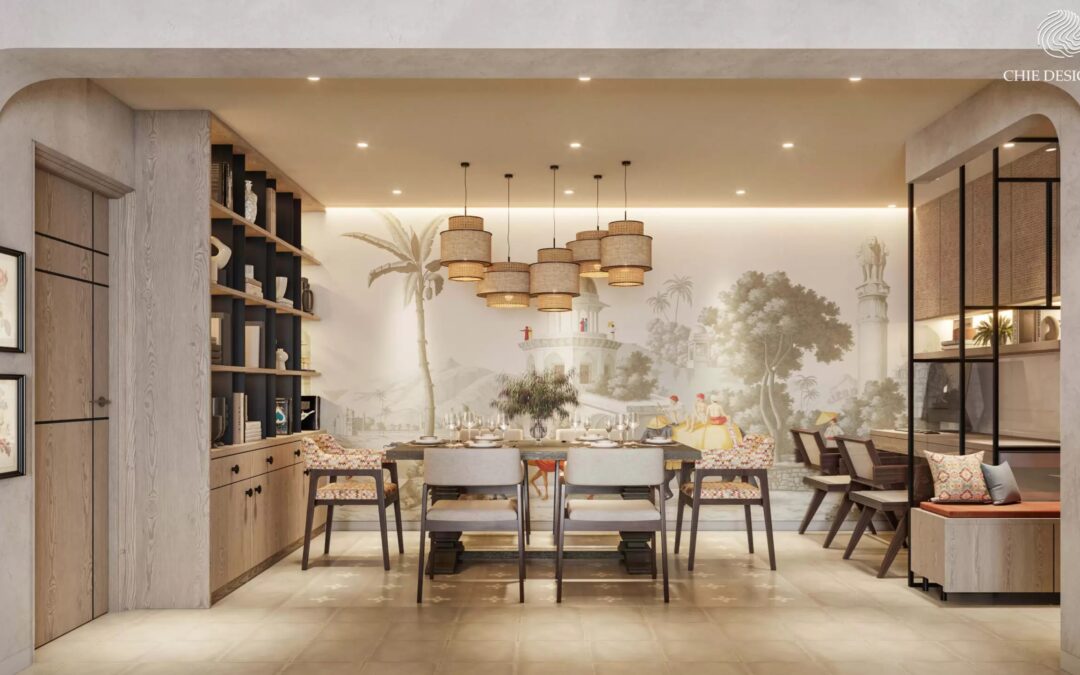
The dining area is where you can have a bit more fun. A clean-lined table, tapered chairs, and a pendant light often do the job better than a bunch of decor. Design trend reports continue to show interest in iconic furniture forms and warmer finishes, so this is a good place to use them.
Room-by-room styling guide
- Living room: one bold chair, one soft sofa, one textured rug.
- Bedroom: calm colours, wood tones, and minimal decor.
- Dining room: sculptural lighting and simple seating.
- Kitchen: clean cabinets, warm surfaces, and no visual clutter.
- Entryway: one mirror, one console, one statement light.
If the home is in Pune or Bangalore, this is where a skilled designer matters most. The brief should stay focused on proportion, storage, natural light, and keeping the architectural bones visible. That is how a midcentury home stays cool instead of confusing.
FAQ
Is midcentury modern still in style?
Yes. AD’s 2024 survey still placed midcentury modernism among the styles designers expect to use, and classic pieces like Eames chairs remain popular.
Can you mix Japandi with midcentury design?
Yes, and it can look great. Japandi works best as a soft layer, while midcentury modern stays the main structure. Keep the palette calm and the furniture simple.
What colours suit a midcentury home?
Warm neutrals, olive, rust, brown, muted green, and soft blue all work well. They match the style’s clean, warm, and functional character.
What furniture suits a midcentury home best?
Low-profile sofas, tapered-leg chairs, slim tables, and classic modern silhouettes fit best. The goal is to keep the room open and balanced.
What should you avoid in a midcentury home?
Avoid bulky furniture, heavy ornament, and too many competing materials. Midcentury spaces need clean lines and room to breathe.
Conclusion
The best interior design style for a midcentury home is midcentury modern. That is the most natural fit, because it respects the home’s original lines, shapes, and materials. Britannica’s definition of the style and current design trend reports both point in the same direction.
If you want a softer look, warm modern, Japandi, or Scandinavian modern can work too. Just keep them in the supporting role. The house should still feel like itself. That is the whole point.
So if you are planning a renovation and searching for a top interior designer in Pune or the best interior designer in Bangalore, ask for one thing first: a design plan that protects the architecture. Then layer in comfort, warmth, and just enough personality. Talk to an expert before you start.