
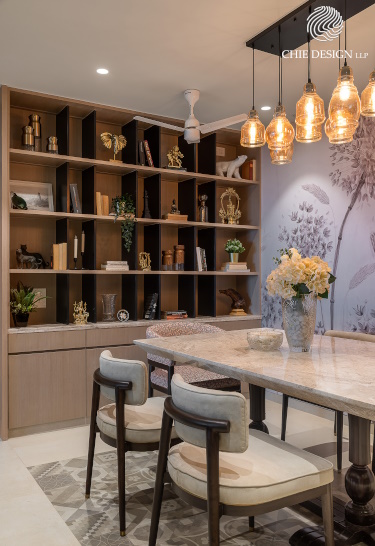
In cities such as Mumbai, the luxury interiors do not require visual appeal only. High-end finishes can be affected by being exposed to high levels of humidity, salty air, and changing temperatures in a silent but gradual manner. In order to maintain grace and sustainability, a carefully planned maintenance policy based on climate consciousness is needed. This paper discusses the ways that the luxury finishes could be preserved, improved, and maintained in the coastal areas without affecting the appearance.
Coastal Climate Challenges in Luxury Interiors
Cities located on the coast are a special case, and the moisture and salinity always affect the interiors. It is first necessary to learn the reactions of these factors with luxury finishes before plunging into materials and remedies.
Effect of Humidity and Salt on Interior Materials
Due to high humidity, materials such as wood, veneer, and some stones are likely to expand or warp. Particles of salt in the atmosphere may hasten the corrosion of metals and polish surfaces. This may also cause discoloration, peeling finishes, and weakening of the material over time, particularly in high-end interiors where detailing is very elaborate.
Why Coastal Homes require another approach to maintenance
The interiors of luxurious apartments in the cities of the coastal areas need preventive maintenance as opposed to a cure. Frequent checks, materials with responsiveness to climate conditions, and controlled indoor conditions preserve finishes over the years. This proactive attitude is usually assumed by the old interior design companies in Mumbai, who are well aware of the living conditions along the coastline.
Selecting the Right Materials to Last in Luxury
The choice of material is the key to durability and keeping a sophisticated appearance. Luxury on the seashores does not imply fineness; it is sturdy grace.
Moisture-Resistant Wood and Veneers
Surrogate wood, plywood with a marine grade, and treated veneers do much better than solid wood in a humid environment. The materials do not easily get warped or infested by fungus, but they provide the coziness and the elegance requested in high-end interiors.
Stone, Marble, and Surface Finishes That Last
Not all stones act in the same manner in the sea. When adequately sealed, the stones are dense with low porosity, which prevents salt penetration and staining. A high-gloss surface will not work well in a coastal climate because matte finish can be less affected by the salt spots and etching in the surface.
Metal, Glass, and Decorative Protection
Metal accents, glass partitions, and custom pieces of decor are standard features of the luxury interiors. These factors demand special attention to the cities on the coast.
Metallic Anti-Corrosive Treatments
The elements of brass, stainless steel, and iron should be subjected to anti-corrosive treatment. Oxidation and pitting are prevented by frequent polishing and protective lacquers. Thoughtfully designed interiors sometimes cover metal joints to avoid direct contact with moisture.
Glass and High-Gloss Surface Maintenance
Glass and shiny finishes will become clouded over time with salt residue. These surfaces are kept clean and polished with the help of non-abrasive cleaners and good ventilation to keep them clean. Even soft furnishings around the windows are to be taken into consideration in order to avoid the retention of moisture.
Smart Climate Control to Interior Longevity
In addition to the materials, technology, and environmental control, there is a silent but effective effect on the conservation of luxury finishes.
Significance of Ventilation and Dehumidification
Well-ventilated systems minimize moisture that is trapped, and thus they avoid mold and fatigue of the materials. HVAC and dehumidifiers adjusted to coastal climates can keep the indoor conditions in balance, which is of utmost importance in high-end interiors.
Window Treatment and Sun Control
Finishes and fabrics may fade under the influence of UV rays and humidity. Interior protection is provided by layered window decorations, glass that does not absorb UV light, and shading solutions that increase comfort. These solutions are well incorporated into the design language of many of the luxury projects.
Elegance-Preserving Maintenance Practices
Even the most brilliantly designed interiors require regular maintenance. Maintenance should be in line with the materials and the surroundings.
Frequent Cleaning and Surface Cleaning
Microfiber cloths, PH-neutral cleaners, and periodical resealing of surfaces should be used to preserve the original finish. Use of harsh chemicals should be avoided since this may react with salt deposits and destroy high-quality materials.
Preventive Care and Professional Inspections
Periodic inspections by design and maintenance workers are helpful in detecting the initial signs of wear. This would reduce the cost of repairing the interiors over a long period and make the inside look old in a graceful manner. An experienced Luxury Interior designer in Mumbai would tend to have an approach of maintenance planning to the general design plan.
Designing to live long and still be luxurious
The only thing that is really luxurious is the space, which will stand the test of time, irrespective of environmental predicaments. The interiors of the coast should be both beautiful and practical.
Layered Design and Replaceable Elements
Layered finishes enable replacement where necessary without having to move the whole space. Wall panels, soft furnishings, and rugs serve as shielding materials and provide the flexibility of updates.
Craftsmanship and Detailing Matter
An accurate detail, adequate sealing, and consideration of junctions minimize the exposure to moisture. Such exquisiteness has been a characteristic of top interior design companies in Mumbai, where aesthetics and performance have been the benchmarks when making design choices.
Future-Ready Luxury Interiors in Coastal Cities
With the changing design, sustainability, and performance-based luxury are taking the centre stage, and this can be seen in the case of coastal urban homes.
Smart Finishes and Sustainable Materials
Environmentally friendly finishes, low-VOC sealants, and eco-friendly materials not only favor the environment but also work well in wet climates. These technologies are defining the future of luxury interiors.
Incorporating Design with Lifestyle Needs
Comfort, durability, and emotional attachment to space are the aspects of Luxury today. Climate-sensitive, lifestyle-sensitive, and long-term use interiors provide a really high living experience, especially in cities such as Mumbai.
Conclusion
To keep luxury finishes in a city like Mumbai, which is coastal, is an innovative combination of design genius, material knowledge, and proactive caring. The interiors designed in a manner that is sensitive to the climate are not only elegant, but they also age gracefully through the years.
Chie Design brings a refined, international design sensibility rooted in deep experience with high-end coastal projects. With an integrated approach, attention to detail, and a commitment to longevity, the studio creates luxury interiors that are as enduring as they are memorable. If you’re looking to craft timeless spaces that thrive in Mumbai’s unique environment, their expertise offers a seamless path from vision to reality.
FAQ
Does coastal humidity influence luxury interiors?
Humidity on the coasts can lead to the swelling, corrosion, and fading of high-quality materials unless material selection, ventilation, and maintenance are carried out.
Are luxury interiors more challenging to maintain in Mumbai?
They demand a better educated way of doing things, but with appropriate design solutions and material, then even at the coast of Mumbai, luxury interiors need not be too delicate to endure and be beautiful at the same time.
What is the frequency of professional inspection of luxury finishes?
Preferably, one or twice a year, to detect moisture breakdown, corrosion, or finish deterioration.